
Outsource Bookkeeping for Small Business: Why It's a Smart Choice
The cost, compliance and time case for handing small business books to a team instead of hiring in-house
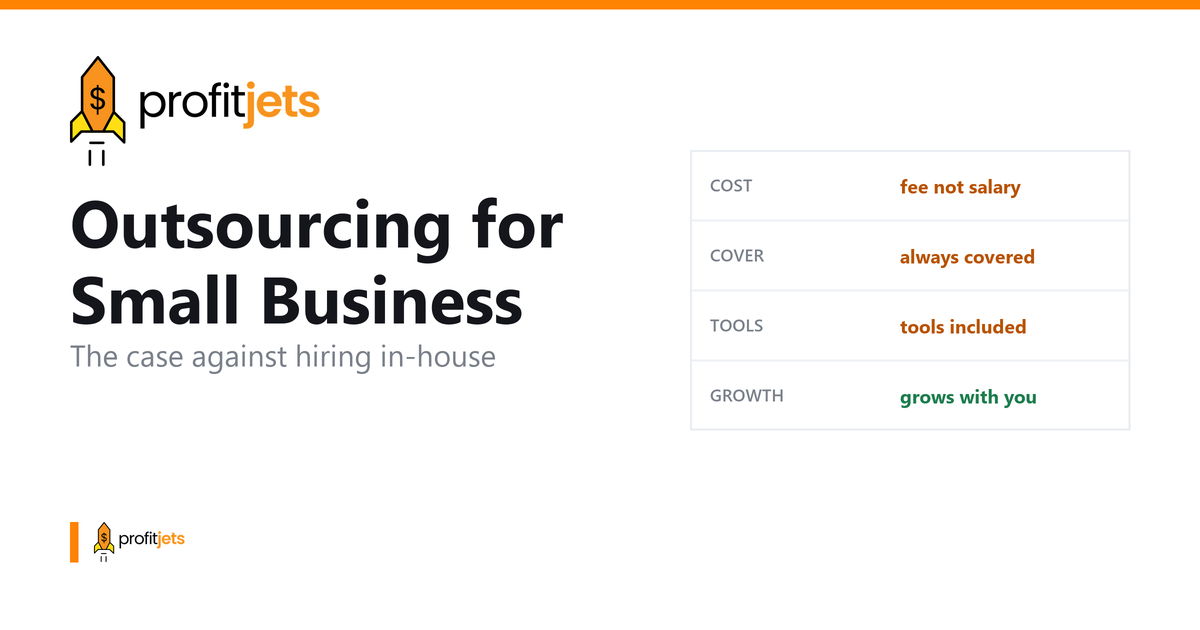
Every small business owner knows that bookkeeping is essential to maintain, but they postpone till the time forces the decision. The more they delay in making the decision, they are compounding the issue that is preventing them from focusing on strategy. Not because they are neglecting but instead `let’s see it later’ phase. Later when they’re facing it, the unresolved bookkeeping challenges had already influenced their decision.
Most of the small business owners are delegating their bookkeeping services by outsourcing a team of professionals with extensive experience in resolving their challenges. This pattern has been a smart approach as they can access the best possible rates and services virtually with various options to choose from rather than relying on someone with expensive rates just because of their geographical location.
A lot of business owners assume outsourcing is for bigger companies. But the economics are most compelling for small businesses, you get access to expertise that would cost $60,000 or more to hire, for a fraction of that price.
Ankit Sarawagi, CPA, CA, MBA · LinkedInWhat is Outsourced Bookkeeping and How Does It Work?
Outsourced bookkeeping means handing your financial record-keeping to a third-party service provider rather than maintaining in-house staff. Remote teams use cloud-based platforms like QuickBooks Online, Xero, or FreshBooks to manage your accounts, delivering accurate records and regular financial reports at a predictable monthly cost without employee overhead.
Why is Bookkeeping Essential for Small Businesses?
Accurate bookkeeping is not optional, it is the foundation of every sound business decision. Without it, you risk cash flow surprises, IRS penalties, missed deductions, and the inability to secure financing when you need it. The question is not whether your bookkeeping gets done correctly, it is who does it.
Benefits of Outsourced Bookkeeping Services in 2026
Cost Savings Compared to In-House Staff
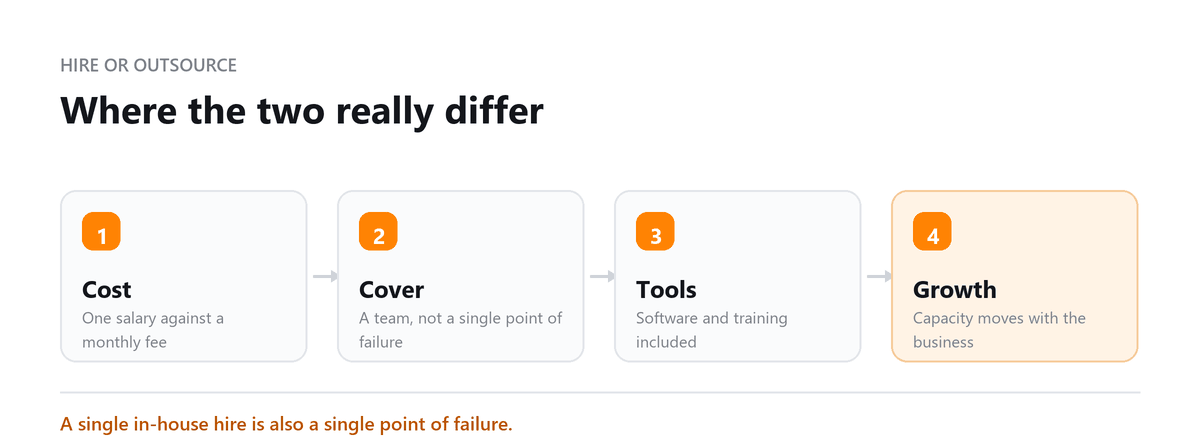
A full-time bookkeeper costs $50,000 to $80,000 annually in salary alone, plus benefits, training, software licences, and management overhead. Outsourced bookkeeping typically starts at $300 per month, with full-service packages ranging up to $2,500 per month. For most small businesses, that represents a saving of up to 60% compared to in-house staffing.
Greater Accuracy and Compliance
Professional bookkeepers are trained specialists with current knowledge of tax regulations and accounting standards. The result is fewer errors, better categorisation of expenses, and financial records that are always in a state ready for tax filing or audit review.
Better Decision-Making
When your books are clean and current, financial reports mean something. Accurate P&L statements, cash flow visibility, and expense tracking give you the data to make pricing, hiring, and investment decisions with confidence rather than guesswork.
What Outsourced Bookkeeping Services Include
- Transaction recording and expense categorisation
- Bank and credit card reconciliation
- Accounts payable and receivable management
- Payroll processing and tax filings
- Monthly financial reports, P&L, balance sheet, cash flow
- Tax preparation support and year-end records
Choosing the Right Bookkeeping Software for Outsourced Services
- QuickBooks Online: Most widely used in the US, integrates with thousands of apps, strong for most small businesses
- Xero: Excellent bank integration, popular with startups and international businesses
- FreshBooks: Best for freelancers and service-based businesses
- NetSuite: Robust ERP system suited to scaling companies with complex needs
Why Should a Small Business Outsource Instead of Hiring In-House?
The core argument comes down to value per dollar. In-house bookkeeping requires a salary, benefits, training, software, and management time. Outsourcing replaces all of that with a single monthly fee and a team whose entire job is accurate, timely financial management. For small businesses without the volume to justify a full-time hire, it is almost always the better economic choice.
Book a free consultation and we will put real numbers against both.
Frequently Asked Questions
What does outsourced bookkeeping mean for a small business?
It means your financial records are managed by a professional third-party service rather than by you or an in-house employee. The service handles transactions, reconciliations, payroll, and reporting using cloud-based software, typically at a lower cost than an in-house hire.
Why do small businesses outsource bookkeeping?
The main reasons are cost savings, time savings, and access to expertise. Small businesses particularly benefit because they rarely have enough bookkeeping volume to justify a full-time hire, but still need the same quality of financial management that a larger organisation demands.
How much does it cost to outsource bookkeeping in 2026?
For freelancers and sole traders: $300 to $500/month. For small businesses with employees: $500 to $2,500/month. For growing startups and e-commerce businesses with higher volume: $2,500+/month with advanced reporting and advisory services.
Is outsourced bookkeeping secure for small businesses?
Yes, with a reputable provider. Professional services use encryption, secure portals, and access controls that typically exceed what a small business could implement in-house. Always ask prospective providers about their specific security practices before engaging.
How does outsourced bookkeeping help with taxes?
Accurate, well-categorised records maintained throughout the year make tax preparation faster and more accurate. They also ensure deductible expenses are captured as they occur, not scrambled together at year-end when some may already be lost. Many outsourced bookkeeping services also offer integrated tax preparation support.
Conclusion
For small businesses, the case for outsourcing bookkeeping is straightforward: better quality, lower cost, and more of your time back. The only real question is when to start. If you are currently managing your own books, spending meaningful hours on financial admin, or worried about the accuracy of your records, the answer is probably now.

Written by
Ankit Sarawagi, CPA, CA, MBA
Ankit leads the finance team at Profitjets, where he has worked with 500+ businesses across the US on bookkeeping, tax and CFO-level strategy. He writes about the habits that keep small business books accurate all year. Connect on LinkedIn
Related articles
Free consultation
Weighing a Hire Against Outsourcing?
Book a free consultation and we will put real numbers against both.